


Some names spark curiosity not because they chase attention, but because they don’t. “Bryan Spies” has become one of those names people look up when they want to understand the person behind a quiet, steady presence. Public information about him is limited, which only adds to the intrigue and makes lifestyle questions feel even louder than facts.
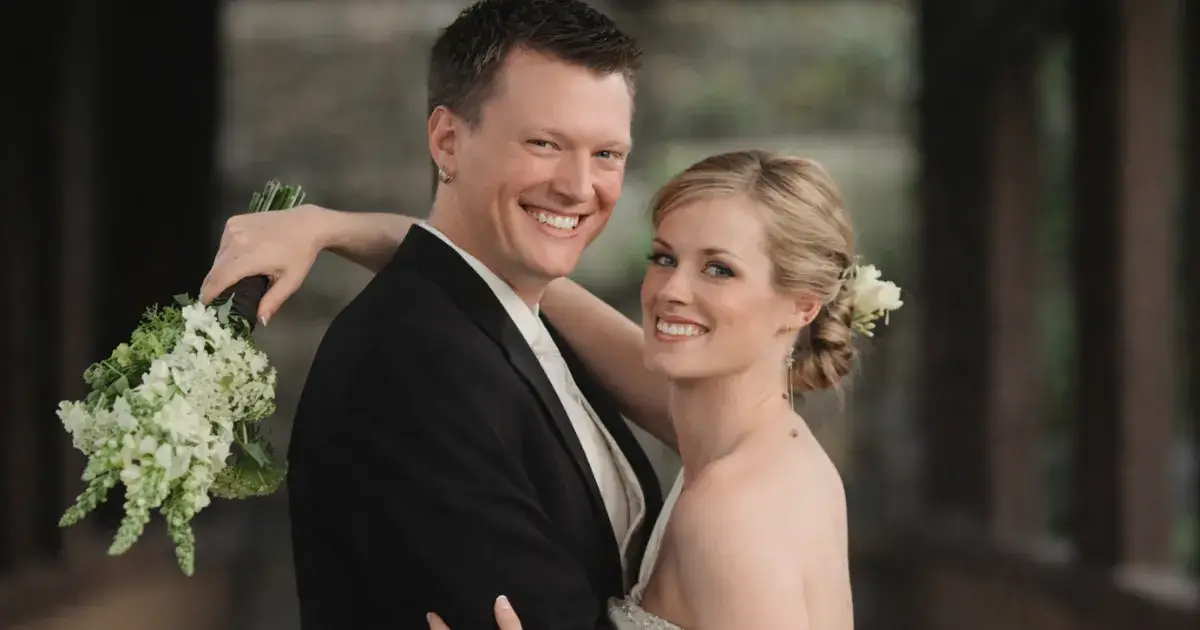
Part of the interest also comes from proximity to the entertainment world. Bryan Spies is known publicly as the husband of actress Abigail Hawk, who plays Detective Abigail Baker on Blue Bloods. When someone is connected to a long-running, widely watched show, everyday life becomes a topic people want to decode.
Still, what most people are really searching for is not gossip. It’s a vibe: calm, composed, grounded. That’s what “calm-confidence” means in lifestyle terms. Instead of treating Bryan Spies like a celebrity headline, this article looks at the habits, boundaries, and mindset that typically create that kind of steady life, especially for someone who stays mostly off-camera.
Why “Bryan Spies” Feels Like a Lifestyle Keyword Now
When a person stays private, people project meaning onto the silence. Bryan Spies is widely described as low-profile, and public bios tend to focus on his marriage and family rather than a personal brand. That combination makes the name trend like a lifestyle keyword: it signals privacy, stability, and routines that don’t need validation.
Curiosity grows when content is scarce
When details are limited, people search harder. That doesn’t mean there’s a hidden story. It usually means the person’s life is intentionally normal, and that normality feels rare online. In a world built on oversharing, quiet choices stand out, so “Bryan Spies” becomes shorthand for a calmer kind of success.
The “supporting partner” story resonates
Many people are drawn to relationships that look steady behind the scenes. Abigail Hawk has spoken publicly about personal struggles like postpartum depression, and that context can lead audiences to wonder what kind of support system exists at home. Lifestyle curiosity often follows emotional honesty.
What Calm-Confidence Actually Looks Like Day to Day
Calm-confidence is not a personality trait you’re born with. It’s a pattern: fewer dramatic swings, clearer boundaries, and consistent behavior under pressure. It shows up in how someone talks, schedules their week, handles conflict, and protects their energy. When people describe Bryan Spies this way, they’re usually responding to a “steady presence” archetype.
Calm is built through predictable routines
Routine is not boring, it’s stabilizing. People with calm energy typically repeat a few simple basics: consistent sleep, regular meals, movement, and time away from noise. They don’t rely on motivation. They rely on structure, which keeps them steady when life is chaotic or demanding.
Confidence shows up as restraint
Quiet confidence is often more about what you don’t do. You don’t argue to prove a point. You don’t perform your success. You don’t chase every invitation. Instead, you choose what matters, follow through, and stay consistent even when nobody is clapping for it.
Also Read This: "BigXthaPlug Net Worth Explained: Income Streams Most Fans Don’t Notice"
Privacy as a Lifestyle Choice, Not a PR Strategy
A low-profile life isn’t “mysterious.” It’s often a deliberate decision that protects relationships and mental health. Public sources generally note that Abigail Hawk is married to Bryan Spies and they have two sons, but details about their family life are kept limited. That’s a lifestyle boundary, and it’s a powerful one.
Boundaries reduce emotional clutter
Privacy is a filter. It keeps outside opinions from entering your home and shaping your identity. People who protect their private life usually have fewer social “fires” to put out. That creates calm, not because life is perfect, but because it’s less exposed to unnecessary commentary.
A quiet life can still be a full life
Choosing privacy doesn’t mean someone lacks ambition or meaning. It often means they value depth over display. The goal becomes building real stability: strong relationships, steady work, health, and a sense of personal integrity that doesn’t depend on strangers’ approval.
The Service Mindset Behind Calm Confidence
Bryan Spies is described in mainstream biographical references as a paramedic for the Fire Department of New York City. Whether you focus on his specific role or not, the bigger lifestyle lesson is the “service mindset”: doing demanding work that requires calm decision-making, emotional control, and reliable teamwork.
Pressure teaches emotional regulation
High-pressure environments force you to get good at staying composed. You learn to breathe, focus, and act without spiraling. That skill carries into everyday life. It shows up as patience, clear communication, and the ability to stay steady when plans change.
Competence creates quiet confidence
Confidence grows when you can rely on your skills. People who build real competence tend to be less loud about it. They don’t need to “announce” strength because they’ve proven it to themselves through repetition, training, and showing up consistently over time.
The Habits That Usually Sit Under a “Grounded” Family Life
Public information notes that Abigail Hawk and Bryan Spies have two sons. That naturally makes people wonder what family life looks like when one partner is known publicly and the other stays private. The calm-confidence lifestyle typically depends on family systems that are boring in the best way: clear roles, dependable routines, and respect.
Time management becomes a form of love
Family stability often comes from logistics done well. Meals, school runs, appointments, and downtime don’t happen by accident. Calm homes usually have calendars, simple systems, and fewer last-minute surprises. When the basics are handled, the emotional temperature of the house drops.
Partnership is built in small, repeated actions
Healthy partnerships rarely look dramatic. They look consistent. Checking in, sharing responsibilities, protecting each other’s stress levels, and being present during hard seasons is what creates trust. Over time, that trust becomes the “calm confidence” people feel from the outside.
A Calm-Confidence Checklist You Can Copy
If the “Bryan Spies” search is really about wanting a steadier version of yourself, you can build that lifestyle without copying anyone’s personal life. The goal is simple: reduce chaos, strengthen basics, and make choices that your future self will thank you for. Start with small moves that stack.
- Keep a consistent sleep and wake window most days
- Do one form of movement you’ll actually repeat
- Limit your daily “noise” (apps, gossip, doom-scrolling)
- Eat predictable, simple meals more often than not
- Protect one private hour each day (no phone, no performance)
- Choose fewer commitments and finish what you start
- Practice calm communication: slower voice, shorter sentences, clear asks
Style, Presence, and the “No-Show” Approach to Self-Respect
A calm-confidence lifestyle often looks clean and simple on the outside. Not flashy. Not desperate. Just intentional. When people are grounded, their style choices tend to match: practical grooming, classic basics, and a preference for looking put-together without looking like they tried too hard.
Grooming as a stability signal
Basic grooming routines are underrated. Haircuts on schedule, clean skin habits, and clothes that fit well create “order,” and order reads as confidence. This isn’t about vanity. It’s about self-respect. When your external life is tidy, your internal life often feels easier to manage.
Presence beats performance
Calm confidence shows up in posture, pace, and attention. You don’t need big gestures. You need consistency. Being on time, listening fully, staying composed, and speaking clearly makes people trust you. Over time, that trust becomes your “aura,” even if you never try to build one.
How to Build Your Own Calm-Confidence Lifestyle
You don’t need a famous connection to build the kind of life people admire. Calm confidence is built through choices: the way you handle pressure, the boundaries you keep, and the habits you repeat when nobody is watching. Think of it as personal infrastructure. The stronger the infrastructure, the calmer you feel.
Step 1: simplify your inputs
Your mood is shaped by what you consume. Reduce the daily inputs that spike anxiety: endless news loops, toxic chats, and comparison-heavy social media. Replace them with inputs that regulate you: walks, music, long-form learning, and real conversations that don’t revolve around drama.
Step 2: make discipline feel normal
Discipline doesn’t have to be harsh. It can be gentle and consistent. Pick a few non-negotiables: sleep, movement, basic nutrition, and one weekly reset. Keep them simple enough that you can do them even on stressful weeks. Consistency is what creates the calm part.
Step 3: practice “quiet integrity”
Quiet integrity means doing the right thing when it’s not public. It’s keeping promises, admitting mistakes, and being steady even when you’re tired. This is where real confidence comes from. You trust yourself because you’ve seen yourself show up repeatedly, not because someone praised you.
Key Points Table
| Key Point | What It Means | How to Apply It |
| Calm-confidence is built | It’s habits, not hype | Create a simple routine and repeat it |
| Privacy is power | Less noise, more peace | Set boundaries around what you share |
| Competence creates confidence | Skills beat swagger | Learn, practice, and improve steadily |
| Family stability is structured | Love is often logistics | Use calendars, roles, and clear communication |
| Presence matters | How you act builds trust | Slow down, listen, and speak clearly |
Conclusion
The “Bryan Spies” curiosity makes sense because people are tired of loud living. A calm-confidence lifestyle feels like a relief: less performance, more stability. Public information mainly frames him through his marriage to Abigail Hawk and a private family life, which naturally pushes people to focus on the lifestyle pattern more than the biography.
If you want the same energy in your own life, focus on what’s controllable: build routines that reduce chaos, set boundaries that protect your peace, and choose consistency over intensity. Calm confidence isn’t a brand. It’s what happens when you take care of basics, keep your life aligned with your values, and stop trying to prove yourself every day.
FAQs
1) Who is Bryan Spies?
He is publicly known as the husband of actress Abigail Hawk, and mainstream references note he is a paramedic for the Fire Department of New York City.
2) Why are people curious about his lifestyle?
Because he’s described as low-profile, and that privacy makes people associate his name with calm, grounded living rather than attention-seeking behavior.
3) What does “calm-confidence” mean in real life?
It means consistent routines, emotional control under pressure, clear boundaries, and self-trust built through steady follow-through.
4) Do Bryan Spies and Abigail Hawk have kids?
Public sources state they have two sons.
5) How can I build a calm-confidence lifestyle myself?
Start with basics: sleep, movement, simple nutrition, fewer digital inputs, and one weekly reset. Calm confidence comes from repeating what works, not constantly reinventing yourself.

My Name is George
I am a creative content writer who specializes in crafting Unique and engaging captions for all Social media platforms. I focus on originality and trends to Create Captions that boost engagement and make every post stand out.
Thanks For Visiting My Blog 😇
1 thought on “Bryan Spies: The Calm-Confidence Lifestyle Everyone’s Curious About”