

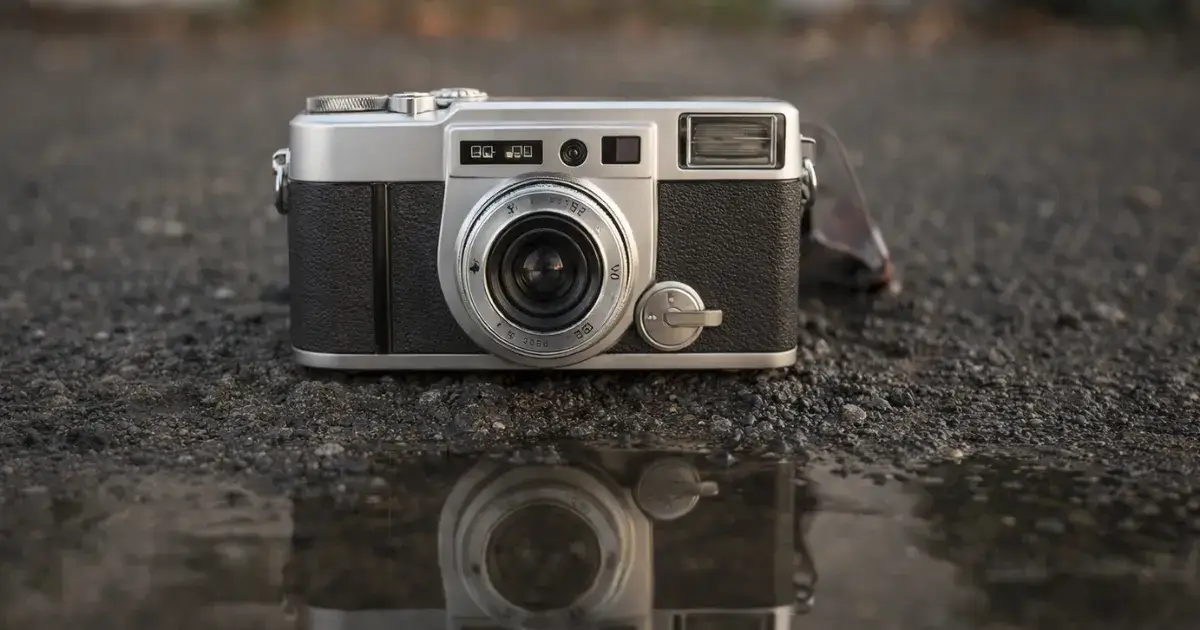
Film cameras have a way of slowing you down in the best possible way. You stop spraying shots and start choosing moments. The Fujifilm Klasse W fits that mindset perfectly, because it feels premium, simple, and intentional. It’s the kind of camera that makes you want to step outside, notice light, and take photos that feel personal.
What makes this camera “cool” isn’t just the design. It’s the experience: the quiet confidence of a compact body, the satisfaction of a physical workflow, and the surprise of getting back images that look like memories instead of phone files. If you like photography as a hobby, it can bring back that spark fast.
This guide breaks down why the Klasse W still gets attention, who it’s best for, and how to get great results without overthinking it. Whether you’re coming from digital or you’re returning to film after years, you’ll find a practical path to making the most of this classic compact.
What Makes the Fujifilm Klasse W So Special
The Klasse W stands out because it blends classic film character with a modern-feeling shooting flow. It’s compact enough to carry daily, yet serious enough to feel like a “real” camera in your hands. The overall vibe is premium, not toy-like, and it encourages you to shoot with purpose. For many photographers, it hits the sweet spot between convenience and creative control.
A Classic Look Without Feeling Old
There’s a difference between “vintage” and “outdated,” and the Klasse W leans into the good side of classic design. It looks clean, understated, and confident, which makes it easy to bring anywhere. That matters because the best camera is the one you actually carry. When your camera feels natural to hold, you’ll shoot more and hesitate less.
Built for Everyday Carry
A great carry camera isn’t just small; it’s reliable and quick to use. The Klasse W is built around the idea that you might pull it out for a street scene, a café moment, or a quick portrait. When a camera fits your life, it stops being a “project” and becomes a habit. That habit is where your photography starts improving fast.
The “Wide” Experience
A wide-angle film compact changes how you see. It pulls more of the scene into the frame, which can make photos feel more alive and more honest. Instead of isolating one subject, you capture context: the room, the street, the sky, the energy around the moment. Done well, wide shots look cinematic without trying too hard.
How Wide Frames Tell Better Stories
Wide compositions naturally include background details that add meaning. A person isn’t just a person; they’re a person in a place, doing something, surrounded by atmosphere. That’s why wide shots can feel more like a memory. If you like travel, street photography, or lifestyle shots, a wide view helps you record the vibe, not just the subject.
Getting Close Without Getting Awkward
Wide lenses reward closeness. When you step in, the photo feels immediate and immersive. The trick is to move with confidence and be intentional about what’s near the camera versus what’s behind it. If you’re shy at first, start with friends or familiar locations. Over time, you’ll learn that “close” often looks better than “zoomed.”
Shooting Film With Confidence
Film can feel intimidating because you don’t get instant feedback. But that’s also what makes it fun. The key is to simplify your process and focus on a few repeatable habits: steady light, consistent film choice, and clean compositions. Once you trust your workflow, you’ll shoot more freely and stop worrying about every single frame.
Exposure Basics That Keep You Calm
If you want fewer missed shots, prioritize good light. Bright daylight is forgiving, and open shade is your best friend for portraits. Indoors can be tricky, so don’t be afraid to seek windows or step outside. When you keep lighting consistent, your results become predictable. Predictable results build confidence, and confidence makes you shoot better.
Focus and Timing for Real Moments
Great photos usually happen between “poses.” Watch for gestures, expressions, and small interactions that feel real. With film, you learn to anticipate instead of react. Keep your camera ready, pre-compose when you can, and wait for the moment to land in your frame. When you nail timing on film, it feels especially satisfying.
Who This Camera Is Perfect For
Not every camera fits every photographer. The Klasse W is best for people who want film vibes without bulky gear, and for shooters who value consistency and style. If you like everyday documentary shots, street scenes, and travel details, it’s a natural match. It’s also great if you want a camera that feels like an object you’ll keep.
Film Beginners Who Want a Smooth Start
If you’re new to film, you want fewer variables, not more. A compact film camera can help you focus on composition and light instead of gear decisions. You’ll learn quickly what film looks like in different conditions, how wide framing affects your style, and how to build a simple routine. That routine is what keeps film fun, not frustrating.
Read This Blog:"Foods That Start With W: 35 Tasty Picks You’ll Want to Try"
Digital Shooters Looking for a New Spark
Digital is efficient, but it can also feel endless. Film adds boundaries that can boost creativity. When you have limited frames, you slow down and shoot what matters. Many digital photographers find that film improves their “seeing,” and that improvement carries back into their digital work. A camera like the Klasse W makes that transition feel natural.
How to Get “That Look” Without Overthinking
The film look isn’t magic. It’s a combination of light, lens character, film stock choice, and how you scan or print. You don’t need to chase perfection. You just need consistency. When you shoot the same film in similar lighting for a while, you learn what it does. That familiarity is how you create a recognizable style.
Light First, Film Second
Light shapes mood more than anything else. Soft light feels gentle and nostalgic, while harsh light feels bold and graphic. Decide what mood you like, then shoot in those conditions often. Once you understand your preferred light, choosing film becomes simpler. You’ll stop guessing and start predicting how your frames will turn out.
Simple Composition Rules That Always Work
If you want stronger photos right away, keep your frame clean. Look for one main subject, clear lines, and backgrounds that don’t compete. Wide shots especially benefit from simple structure. Place your subject with intention, give your frame breathing room, and watch the edges. Most “messy” photos fail at the edges, not in the center.
Quick Checklist Before You Head Out
Consistency comes from having a small pre-shoot routine. It doesn’t need to be complicated. The goal is to avoid avoidable mistakes so you can focus on moments. When you do the same quick checks every time, film becomes relaxing instead of stressful, and your hit rate climbs.
Your Go-To Shooting Plan
Pick one film stock for a month. Shoot mostly in daylight or open shade. Take notes if you want, but keep it simple. As you build a habit, you’ll start noticing what angles you love, what distances feel best, and what scenes suit wide framing. That’s how you develop your own “signature” style.
Bullet List: Easy Wins for Better Results
- Shoot in steady light whenever possible
- Keep your subject clear and dominant in the frame
- Get closer than you think you should
- Watch distracting backgrounds and bright highlights
- Shoot one film stock repeatedly to learn it
- Take a second shot only when the moment truly changes
- Store your film properly and avoid extreme heat
Caring for a Classic Camera Long-Term
A classic camera is more enjoyable when it stays dependable. Basic care goes a long way: keep it clean, store it safely, and treat it like a precision tool. The better you maintain it, the more confident you’ll feel using it. That confidence matters because hesitation is the enemy of great everyday photography.
Storage and Handling Habits
Avoid tossing your camera into bags with loose keys or coins. Use a small pouch if you can, and keep it away from moisture. When you’re not shooting, store it in a cool, dry place. Good handling prevents little issues from building into big ones. Small habits are what keep a classic camera enjoyable for years.
Making It Part of Your Routine
The best way to “own” a camera is to use it regularly. Bring it on short walks, small errands, and casual hangouts. You’ll build muscle memory and learn how it responds in different scenes. Over time, you’ll stop thinking about settings and start thinking about stories. That’s when your photos become consistently strong.
Key Points Table
| Key Point | What It Means | Why It Matters |
| Classic compact vibe | Premium feel in a carry-friendly size | You’ll actually take it out more |
| Wide storytelling | Captures context and atmosphere | Photos feel more cinematic and real |
| Film discipline | Limited frames force intention | Faster growth in composition and timing |
| Light-driven results | Better light = better film outcomes | More keepers, less frustration |
| Consistent workflow | Same film + similar conditions | Predictable results and a signature look |
| Practical care | Clean, dry storage and gentle handling | Reliability for long-term use |
Conclusion
The Fujifilm Klasse W is “cool” because it makes photography feel personal again. It’s not trying to replace digital convenience. Instead, it gives you a different pace: slower, more thoughtful, and more satisfying. If you enjoy carrying a camera daily and collecting real moments, it can be the kind of tool that fits your lifestyle naturally.
If you approach it with a simple plan, you’ll get strong results fast. Focus on good light, clean frames, and consistent film choices. Use it often, don’t overthink every shot, and let your style develop naturally. Over time, you’ll notice you’re not just taking photos, you’re building a body of work that feels like you.
FAQs
Is the Fujifilm Klasse W good for beginners?
Yes, especially if you want a simple film workflow and you’re willing to learn light and composition through practice.
What kind of photography suits this camera best?
Street, travel, lifestyle, and everyday documentary moments, especially when you want the background to add meaning.
How do I avoid blurry shots on film?
Shoot in brighter light, hold steady, and time your shots when your subject is more still.
How can I get a consistent “film look”?
Stick to one film stock for a while, shoot in similar lighting, and keep your framing style consistent.
Is it worth carrying a film camera daily?
If you enjoy the process, absolutely. Daily carry builds skill fast and helps you capture moments you’d otherwise miss.

My Name is George
I am a creative content writer who specializes in crafting Unique and engaging captions for all Social media platforms. I focus on originality and trends to Create Captions that boost engagement and make every post stand out.
Thanks For Visiting My Blog 😇