


The 1st Edition Charizard is more than a Pokémon card. It’s a cultural symbol, a nostalgia trigger, and a status piece all at once. People talk about it like a “holy grail” because it sits at the intersection of scarcity, history, and emotional attachment. When demand stays strong for decades, even a small supply becomes a big deal.
What makes it tricky is that “rare” can mean different things. Some cards are rare because they were printed less. Others are rare because very few survived in great condition. With 1st Edition Charizard, it’s both. It’s not just about owning one, it’s about owning the right version in the right condition.
Value also comes from clarity: collectors agree on what counts as the top target. That shared obsession concentrates money into one specific card, which raises prices and keeps attention locked in. Once a collectible becomes the centerpiece of a hobby, its story keeps fueling the next wave of buyers, even when the market cools elsewhere.
What “1st Edition Charizard” Actually Means
“1st Edition” refers to the earliest print run of the English Base Set, and Charizard is the most iconic of the original final evolutions. That combination creates a “first of its kind” effect that collectors chase. In simple terms, it’s the earliest widely collected Charizard that helped define the entire hobby. The label matters because it separates early history from later mass availability.
Base Set Charizard vs Other Charizards
Many Charizards exist across dozens of sets, but Base Set is the starting line for most collectors. It’s the card people picture when they hear “Pokémon card.” Other Charizards can be rarer on paper, yet Base Set 1st Edition stays king because it carries the strongest legacy. When a card becomes the “default legend,” it holds value beyond print numbers alone.
Why the Holo Matters
The famous version is the holographic Charizard from Base Set, not a non-holo variant. The holo treatment gave it presence in a binder and made it feel premium in an era when shiny cards were the ultimate pull. That emotional “wow” factor still translates into demand today. People don’t just want Charizard, they want the sparkling trophy version.
The Print Run and Why Supply Is So Tight
Early print runs were smaller than later waves, and Pokémon demand surged after the fact. That means fewer 1st Edition copies entered circulation compared to what came later. Supply is also “tight” because many cards were played with, traded carelessly, or stored poorly. So even if a decent number were printed, far fewer remain collectible-grade today.
Kids Played With Them
In the late 1990s, most buyers were kids. Cards went into pockets, backpacks, and schoolyard trades with no sleeves. Corners rounded, surfaces scratched, and holo foil picked up lines fast. A played Charizard is still desirable, but the real premium is for clean survivors. Damage didn’t just happen, it was basically the default outcome.
Read This Blog:"Carlos Alman: The Low-Key Lifestyle Story Everyone’s Curious About"
Time Filters Out Mint Copies
Time is a harsh filter for collectibles. Heat, humidity, bending, and even simple stacking pressure can ruin a card. Over the years, only careful owners kept them protected. As grading became popular, collectors learned that “looks good” isn’t always “gem mint.” The gap between “nice” and “top grade” is where rarity becomes extreme.
First Edition Stamp and Other Identification Details
The most recognizable marker is the black “1st Edition” stamp on the left side of the artwork box. But identification doesn’t end there. Collectors also pay attention to set symbols, fonts, coloration, and print traits that separate early prints from later ones. Authentication is important because the value difference between versions can be massive, and mistakes can be costly.
The 1st Edition Stamp Placement
On English Base Set, the stamp sits near the lower-left area of the artwork window. It should look crisp and properly aligned for the print style of the era. Counterfeits often get stamp size, color, or positioning slightly wrong. A real stamp doesn’t guarantee the card is real, but a wrong stamp is a giant red flag immediately.
“Shadowless” Is Often Part of the Story
Many 1st Edition Base Set cards are also “shadowless,” meaning the border area around the art lacks the darker shadow on the right side. This is a common source of confusion. People sometimes say “1st Edition Shadowless Charizard” because the traits often overlap. Knowing the difference helps you describe the card accurately and price it correctly.
Condition, Grading, and Why Tiny Flaws Matter
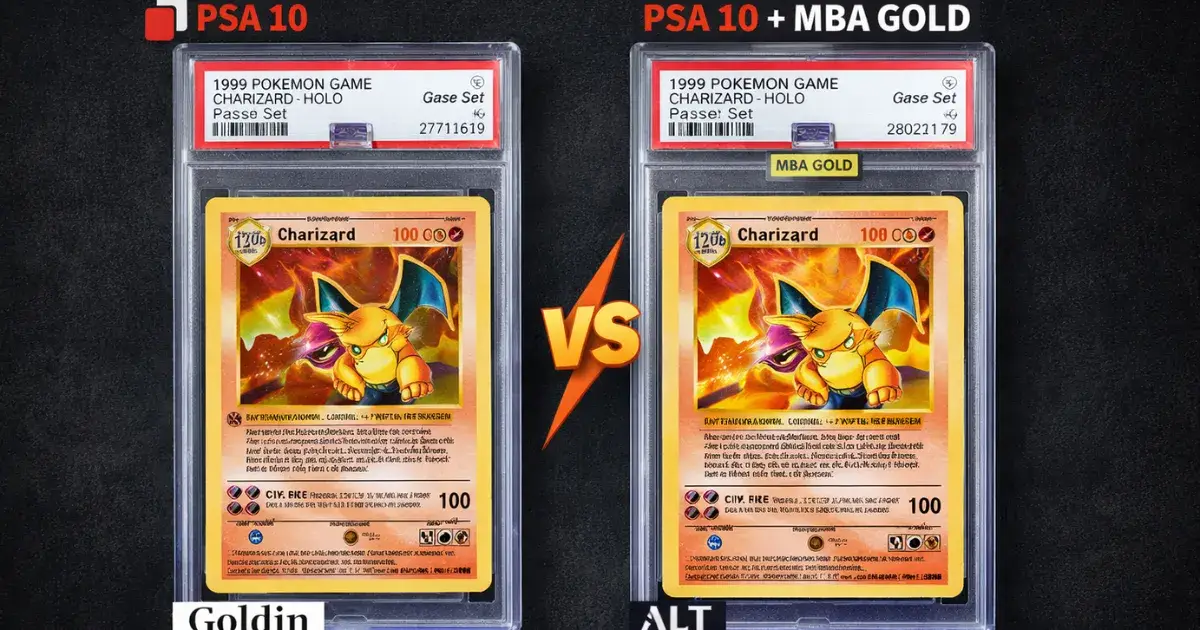
Condition is the biggest lever on value. A small crease, a few edge chips, or heavy holo scratching can drop a card into a lower tier fast. Grading exists because serious buyers want consistent standards. When collectors compete for the best examples, the highest grades become the rarest “subset,” even if the card itself isn’t impossible to find raw.
Centering, Edges, Corners, Surface
Grading usually focuses on four big areas: centering, edges, corners, and surface. Centering is especially brutal because it’s a factory issue you can’t fix. Surface matters a lot on holo cards because light shows every line. Edges and corners reveal handling and storage habits. A card can look great in a photo but grade lower under close inspection.
What Collectors Check Before Buying
Half the value game is avoiding surprises. Even if you love the card, you want to know what you’re paying for. Here are common checks collectors do before committing:
- Compare centering left-to-right and top-to-bottom
- Look for holo scratches under angled light
- Inspect corners for whitening and blunt rounding
- Check edges for chipping, dents, or small nicks
- Confirm stamp, fonts, and print traits match the version
Shadowless vs Unlimited and Common Confusions
“Unlimited” Base Set is the later, more common version, typically with the shadow on the border around the artwork. It’s still collectible, but it isn’t the same scarcity tier as 1st Edition. Confusion happens because both are Base Set, both can be holo, and both look similar to casual eyes. Learning the differences protects your wallet and your credibility.
Why Unlimited Is Cheaper
Unlimited had a larger supply, and more copies survived simply because more were printed. It’s still the same iconic Charizard image, which is why it remains valuable. But the market prices scarcity and first-print prestige heavily. Think of it like a first printing of a famous book versus a later reprint. Both are real, but one carries “origin story” energy.
Reprints and Look-Alikes
Over time, Charizard art and layouts got reused or echoed in other sets and products. Some modern reprints are obvious, but others can confuse newer collectors. That’s why knowing Base Set layout details matters. A quick scan of stamp presence, border traits, and overall print style can prevent you from buying a card you didn’t actually mean to buy.
Market Psychology: Nostalgia, Pop Culture, and Status
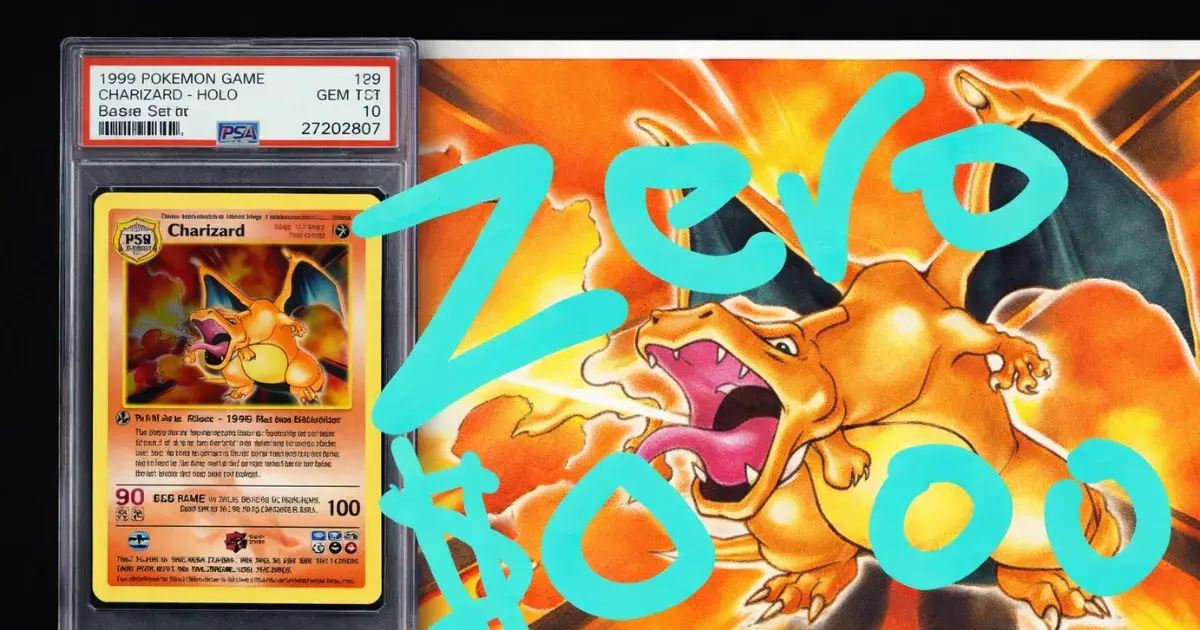
Value isn’t only about cardboard, it’s about meaning. Charizard represents power, childhood excitement, and the peak of early Pokémon. It also became a pop culture reference, which keeps demand alive outside the hobby. When a collectible becomes a social signal, buyers don’t just want it, they want others to recognize it immediately. Charizard does that better than almost any card.
The “Trophy Card” Effect
Collectors love a centerpiece item. In many hobbies, a few iconic pieces soak up attention and money. For Pokémon, 1st Edition Base Set Charizard is that centerpiece for a huge audience. Even people who don’t collect seriously know it by name. That shared recognition keeps it liquid, meaning it’s easier to sell than many rarer but less famous cards.
Hype Cycles and Long-Term Demand
Pokémon goes through hype cycles, where prices jump during renewed interest. But Charizard often holds better than most because it’s the symbol everyone returns to. When the market cools, speculative items drop first. The iconic “core” items tend to stabilize sooner because long-term collectors keep buying. That doesn’t guarantee constant growth, but it supports resilience.
Buying, Storing, and Selling Safely
Because prices can be high, smart handling matters. Buyers should prioritize authenticity, clear condition assessment, and secure transactions. Sellers should document the card well and understand how grade and version affect pricing. Storage is also part of value protection. A great card can become a mediocre card through one careless mistake, and the market will punish that quickly.
Smart Buying Habits
The safest route is to buy with enough evidence to justify the price. If something feels off, walk away. In this market, patience is a money-saving skill. Keep your standards consistent and avoid buying only because you’re afraid of missing out. The best deals are often the ones you don’t rush into, especially when the item has many fakes and many condition traps.
Storage That Protects Value
A valuable card should be protected from bending, rubbing, moisture, and UV light. Sleeves, rigid holders, and stable storage conditions matter more than people think. Avoid heat and humidity swings, and don’t stack heavy items on top of cards. If you’re holding long-term, treating it like an investment-grade collectible is reasonable, even if you bought it for fun.
Key Points Table
| Key Point | Why It Matters |
| 1st Edition stamp | Confirms the earliest English print run, which drives prestige and scarcity |
| Base Set holo status | The iconic “trophy” version most collectors chase |
| Condition and grading | Small flaws can change value dramatically, especially at high grades |
| Shadowless vs Unlimited | Similar look, huge price difference; common source of mistakes |
| Nostalgia and recognition | Strong demand because it’s the most famous Pokémon card |
| Safe buying practices | High value attracts fakes and misrepresented condition |
| Proper storage | Protects value by preventing new damage over time |
Conclusion
The 1st Edition Charizard is rare and valuable because it combines early-print scarcity with unmatched cultural power. It’s the card that many collectors view as the “starting point” of Pokémon’s modern collecting era. When demand is anchored in nostalgia and shared recognition, the market stays deep. That’s why it remains the headline card even after decades of trends.
If you want to approach it wisely, focus on version accuracy, condition realism, and safe handling. The difference between a great purchase and a painful one often comes down to small details like centering, surface wear, and authenticity cues. Whether you buy to collect or to hold value, understanding what drives the premium helps you make decisions that you’ll still feel good about later.
FAQ: Is every Base Set Charizard a 1st Edition?
No. Many Base Set Charizards are “Unlimited,” which usually lack the 1st Edition stamp and are more common. They’re still collectible and can be valuable, but they don’t carry the same first-print scarcity. Always check for the stamp and learn the main print traits so you know exactly which version you’re looking at before you buy.
FAQ: Why do graded copies sell for so much more?
Grading creates trust and makes condition easier to compare. For high-end collectors, the top grades are the real rarity because so few cards survive in that shape. A small flaw can push a card down a grade and reduce value sharply. When many buyers chase the best examples, the premium on top grades becomes extreme.
FAQ: What does “shadowless” mean for Charizard?
“Shadowless” refers to a specific Base Set print style where the right-side shadow around the artwork border is missing. Many 1st Edition Base Set cards share this look, which is why people connect the terms. But “shadowless” and “1st edition” are not identical labels. Knowing the difference helps you avoid confusion and price mistakes.
FAQ: How can I avoid buying a fake 1st Edition Charizard?
Use multiple checks, not just the stamp. Look closely at print quality, fonts, holo behavior, and overall feel. Ask for clear photos and don’t trust blurry listings. If something looks too perfect for the price, assume there’s a catch. When the money is significant, buying from reputable sources and staying patient is usually safer.
FAQ: Is it better to buy raw or graded?
It depends on your goal and risk tolerance. Graded cards cost more but reduce uncertainty about authenticity and condition. Raw cards can be cheaper, but you take on more risk and you need a good eye for flaws. If you’re new, graded often provides peace of mind. If you’re experienced, raw can offer better value.

My Name is George
I am a creative content writer who specializes in crafting Unique and engaging captions for all Social media platforms. I focus on originality and trends to Create Captions that boost engagement and make every post stand out.
Thanks For Visiting My Blog 😇