

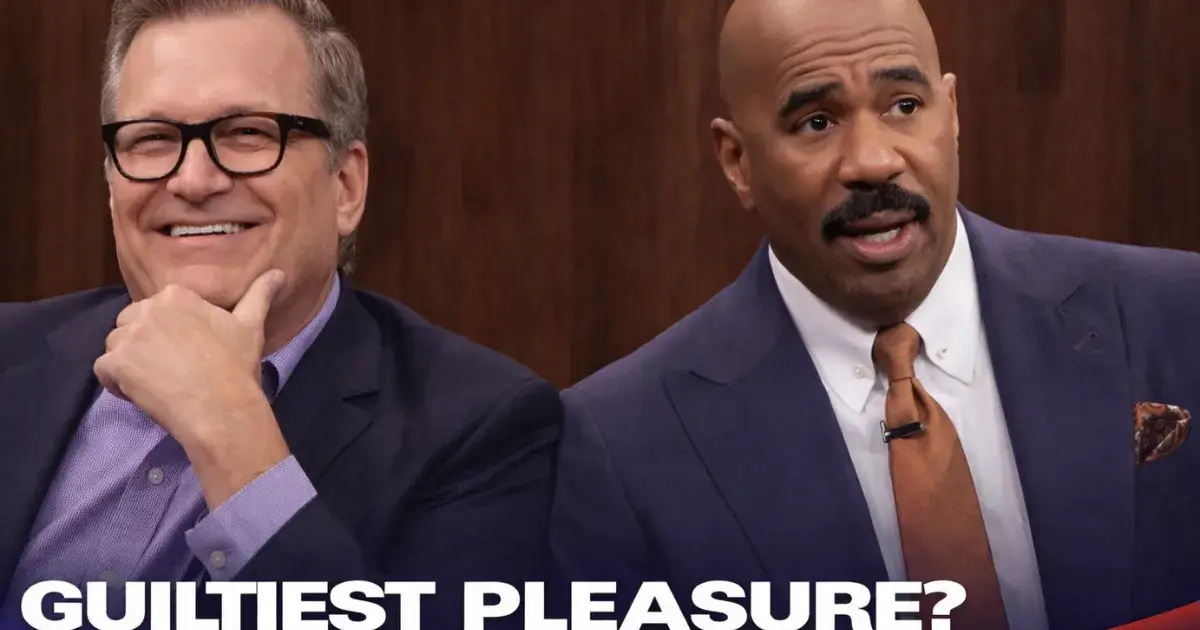
People search “did Steve Harvey die” because a headline, push notification, or social post makes it feel urgent. The problem is that celebrity death claims are easy to manufacture and fast to share. Before emotions take over, it helps to pause and verify. Most viral “RIP” posts are recycled hoaxes designed for clicks, not truth.
This specific rumor has popped up more than once over the years, often with the same pattern: a vague “breaking” post, a screenshot with no source, or a low-quality site copy-pasting a dramatic obituary style write-up. When real news happens, multiple established outlets confirm it quickly. Hoaxes usually stay trapped in social feeds and random blogs.
The goal of this article is simple: explain why this rumor spreads, how to check it safely, and how to avoid getting fooled next time. You do not need insider access to separate real updates from internet noise. You just need a calm checklist and a few smart habits.
What the “Did Steve Harvey Die?” Rumor Really Is
The viral rumor is best understood as a “repeat hoax,” meaning it resurfaces in cycles when someone reposts an old claim or a misleading video gets traction. These posts often use emotional language, capital letters, and urgency to trigger shares. In reality, the most common outcome is that the claim collapses once you check reliable coverage and official accounts.
Why the same rumor keeps coming back
A death hoax is reusable content. Anyone can repost it, re-title it, or attach a new date to make it feel “fresh.” Algorithms reward engagement, not accuracy, so shocking claims get boosted. If a post racks up comments like “Is this true?” it can trend even faster, creating the illusion that something happened when it did not.
The role of screenshots and “notifications”
Screenshots look convincing because they feel like proof. But a screenshot only proves what someone’s screen displayed, not whether the information is true. Push notifications can also amplify bad info if a questionable source gets syndicated or scraped. A single wrong notification can trigger thousands of searches within minutes, even if the claim is false.
Why people believe it so quickly
Celebrity death rumors hit a human weak spot: we fear missing major news. When someone you recognize is involved, your brain wants closure fast. That emotional rush can override skepticism. Hoaxes exploit this by combining familiarity, urgency, and a “share to confirm” vibe, pulling people into spreading the rumor while they’re still unsure.
Quick Signs a Celebrity Death Story Might Be Fake
You can often spot a hoax without deep research by looking for basic credibility signals. Fake death stories usually lack verifiable details, rely on anonymous “sources,” and avoid direct quotes from real representatives. They may also contain weird formatting, awkward writing, or inconsistent dates. A few quick checks can save you from sharing misinformation.
Missing specifics, but heavy on drama
Real breaking news includes concrete details: what happened, where, and who confirmed it. Hoaxes replace facts with emotion, using phrases like “tragic news” and “devastating loss” while skipping names, locations, and timelines. If the story feels like a generic template that could fit any celebrity, treat it as suspicious.
No confirmation from established reporting
When a high-profile public figure dies, confirmation appears widely and fast across major news organizations. If you only see the claim on one site, one video, or a single social post, slow down. A true event does not depend on one anonymous upload. Widespread confirmation is not optional for news of that scale.
Read This Blog:"Rungrado 1st Of May Stadium Tour: Design, Scale, and Stadium Secrets"
The content tries to trap you into clicking
Many hoax pages use clickbait tricks: “You won’t believe what happened,” “shocking final moments,” or “the family finally spoke.” They might split the “story” across multiple pages or overload ads to generate revenue. If the post seems designed to keep you scrolling more than informing you, that’s a red flag.
How to Verify the Claim Without Spreading It
Verification is about checking, not amplifying. You do not need to repost a rumor to ask others if it is true. Instead, open a search tab and look for confirmation from reputable reporting and direct sources. If you cannot confirm it quickly, the best move is to not share it at all.
Search smart, not emotional
Use neutral search terms like “Steve Harvey alive” or “Steve Harvey death hoax” rather than repeating the exact rumor headline. Neutral terms reduce the chances you land on the same misleading pages that are gaming the algorithm. Also, compare dates. Hoaxes often resurface with old timestamps or recycled text that looks new.
Check official channels and current activity
Public figures typically have official social accounts, active projects, and recent appearances that are easy to verify. Even one recent, clearly dated post can be a strong clue that a “died today” claim is bogus. The key is to confirm recency. Hoaxers often rely on people not noticing that a screenshot is months old.
Look for a second, independent confirmation
If you find one article claiming something major, do not stop there. Look for a second independent confirmation from a separate, well-known outlet. Hoaxes often bounce within a network of low-quality sites that copy each other. Independent confirmation means different editorial standards, different sourcing, and a much higher chance the report is real.
Where These Rumors Usually Start
Most celebrity death rumors originate from a small set of sources: fake-news sites, engagement farms, misleading YouTube thumbnails, or repost accounts that recycle old stories. Sometimes the spark is even automated, like an AI-generated article or a miscategorized feed item. Once posted, the rumor spreads through shares, reactions, and commentary.
Low-credibility sites and “obituary-style” posts
A common pattern is a long, emotional tribute that reads like an obituary but offers no proof. These pages may copy a celebrity’s biography from public sources and sprinkle in vague “reports” to sound legitimate. The writing often lacks clear attribution and may include odd errors. That’s because the goal is traffic, not accuracy.
YouTube and short-form video bait
Videos can be persuasive because they feel personal and “reported,” even when they are just narration over recycled photos. Many hoax videos use misleading titles, sad music, and edited clips to create a false sense of legitimacy. Comments like “RIP” add momentum, and soon the video becomes a search driver for the rumor itself.
AI and automated content gone wrong
AI tools can generate believable text quickly, which makes misinformation cheaper to produce. In some cases, automated systems mislabel content or publish drafts that should never go live. Even without bad intent, automation can spread false claims at scale. That is why “it showed up in my feed” is not the same as “it is true.”
Quick mid-article checklist you can use next time:
- Pause before sharing, especially if the post makes you feel rushed.
- Look for confirmation from multiple established outlets.
- Check dates and screenshots for signs of recycling.
- Avoid reposting “Is this true?” because it boosts the rumor.
- Verify recent activity from official channels and reputable reporting.
Why the Internet Loves Celebrity Death Hoaxes
These hoaxes work because they combine psychology and platform incentives. People react strongly to death news, and platforms reward reactions with reach. The result is a loop: more shock equals more engagement, and more engagement makes the rumor appear more credible. Understanding the incentives helps you resist them.
Engagement is the fuel
A post does not need to be true to win online. It only needs to generate clicks, comments, and shares. Death rumors are perfect for this because they provoke instant responses. Even skeptical comments like “This can’t be real” can increase visibility. Unfortunately, that visibility is exactly what hoax creators want.
Familiar names create instant urgency
Steve Harvey is a household name with a broad audience. That makes any shocking claim about him more clickable than a rumor about a lesser-known person. Familiarity creates a shortcut in the mind: “If I know him, this must matter.” Hoaxes exploit that shortcut, especially when they attach words like “breaking” and “today.”
Algorithms amplify uncertainty
Platforms detect what people interact with, not what is accurate. When users pause on a post, watch a video, or open comments, the system reads it as interest and may push it further. Uncertainty is powerful because people keep checking for updates. That “checking” behavior can turn one false post into a trending topic.
The Real-World Harm of Spreading a False Death Rumor
It might seem harmless because it is “just the internet,” but death hoaxes have real consequences. They upset fans, stress families, damage reputations, and erode trust in legitimate reporting. They also train audiences to doubt real news when it matters. The cost is not always visible, but it is real.
Emotional harm to audiences and loved ones
Fans can experience genuine distress when they believe a celebrity has died. Families and colleagues can be forced to respond to nonsense while managing their real lives. Even if the rumor is debunked quickly, the shock lingers. This is why it is worth verifying first, even if you think you are “only sharing.”
Reputation and brand damage
Public figures rely on credibility and professional relationships. A viral hoax can interfere with business, appearances, and partnerships because people start asking questions that should not exist in the first place. It can also attract harassment, prank calls, and trolling. The rumor becomes a distraction that wastes time and attention.
A more polluted information space
Every time a death hoax spreads, it makes the internet noisier and less trustworthy. People become more cynical and less willing to believe accurate reporting. That harms everyone, especially during real emergencies. Choosing not to share unverified claims is a small action, but it improves the environment for your whole community.
What to Do If You Already Shared the Rumor
If you shared a post and later realized it was false, do not panic. The best response is quick, simple, and responsible. Correct the record without making the rumor bigger than it needs to be. Your goal is to reduce harm, not to defend yourself or argue with strangers.
Delete or update your post
If possible, delete the post or edit it with a clear correction. A short “This was false, I removed it” is enough. Avoid re-posting the original screenshot in your correction because that can re-amplify the hoax. The correction should be calm, direct, and focused on accuracy.
Message people you directly alarmed
If friends or family reached out worried, reply with reassurance and the fact it was a hoax. Personal messages prevent panic spreading through group chats. You do not need a long explanation. A simple correction stops the chain. Many rumors spread fastest in private messages, so private corrections matter.
Learn one habit for next time
Pick one verification habit you will use going forward. For example: “I will wait for two independent confirmations before sharing major news.” Small rules beat good intentions because they work when you are tired, busy, or emotional. The goal is not perfection. It is reducing mistakes and building smarter online instincts.
Key Points Table
| Topic | What to remember | Why it matters |
| The rumor pattern | Celebrity death claims often recycle | Repeat hoaxes resurface with new dates |
| Red flags | Drama, missing details, single-source claims | Hoaxes rely on urgency, not facts |
| Verification | Confirm with multiple credible sources | Major news is widely confirmed |
| Platforms | Engagement boosts misinformation | Comments and shares can amplify hoaxes |
| Your response | Don’t repost, correct calmly if needed | Reduces harm and stops spread |
Conclusion
So, did Steve Harvey die? The viral searches come from a familiar internet pattern: a dramatic claim spreads faster than verification. In most cases, the rumor is not evidence of a real event, but evidence of how easily misinformation travels. The best defense is a simple routine: slow down, check credible confirmation, and avoid sharing uncertainty.
If you want to stay informed without getting pulled into hoax cycles, treat shocking headlines as “unverified” by default. Look for independent confirmation, check dates, and don’t let algorithms decide what is true. Being careful online is not about being skeptical of everything. It is about being smart with what you pass along.
FAQs
1) Did Steve Harvey die today?
Viral posts can make it seem that way, but “today” claims are often recycled hoaxes. Verify with multiple credible confirmations before believing or sharing.
2) Why is “did Steve Harvey die” trending?
Because a rumor, screenshot, or misleading post triggered searches and comments, which platforms can amplify into a trend.
3) How can I quickly check if a celebrity death is real?
Look for confirmation from multiple established news organizations and recent updates from official channels. One source is not enough.
4) Are push notifications always reliable?
Not always. Some apps surface content from mixed-quality sources, and mistakes or syndication issues can spread false alerts.
5) What should I do if I shared the rumor?
Delete or correct your post, reassure anyone you worried, and adopt a simple verification rule for next time.

My Name is George
I am a creative content writer who specializes in crafting Unique and engaging captions for all Social media platforms. I focus on originality and trends to Create Captions that boost engagement and make every post stand out.
Thanks For Visiting My Blog 😇