

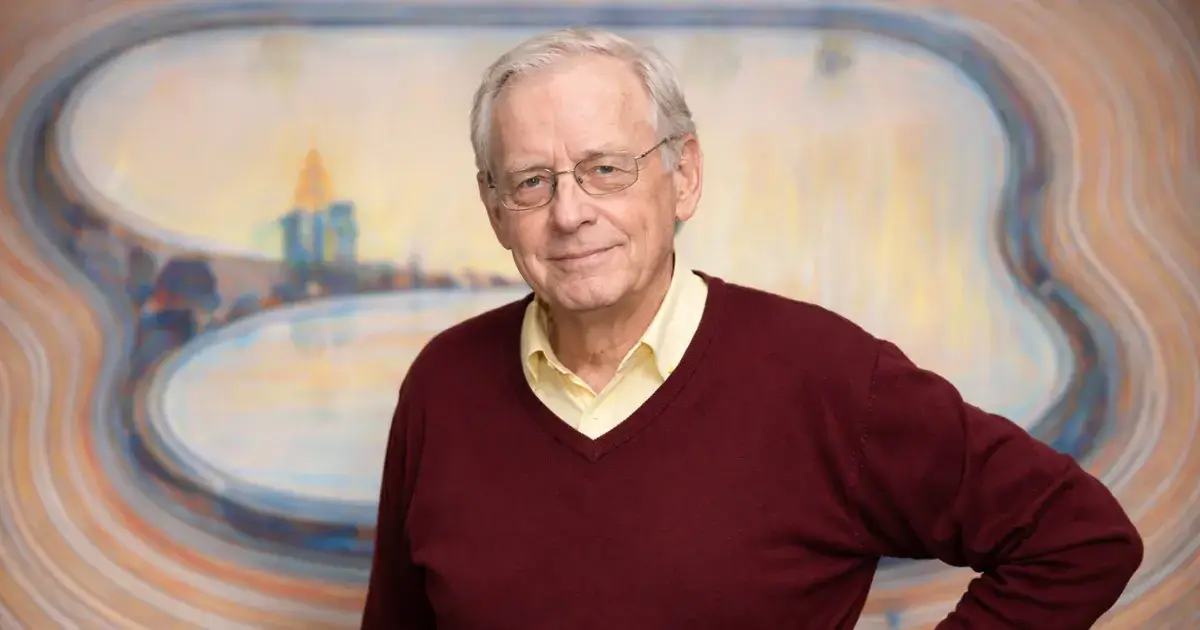
Wayne Thiebaud, often searched as “W Thiebaud,” built a career around a simple but surprising idea: ordinary things can feel extraordinary when you truly look at them. He painted pies, cakes, gumball machines, and city streets with a sense of wonder that made viewers stop, smile, and stare longer than they expected.
His work looks friendly at first glance, but it holds real craft and serious thinking underneath. Thick paint, crisp edges, and bold shadows turn familiar objects into icons. That mix of warmth and precision is why his paintings feel instantly recognizable, even to people who don’t follow art closely.
This biography-style guide explores how Thiebaud’s life and choices shaped his signature look, what made his approach different from artists around him, and why his “everyday” subjects still feel fresh today. If you’ve ever wondered how a slice of cake became museum-worthy, his story is the answer.
Early Life and the Roots of His Visual Style
Thiebaud’s early years mattered because they trained his eye before he ever became widely known as a fine artist. Growing up around American popular culture, he absorbed the look of storefronts, packaging, and the clean confidence of commercial design. Those influences later showed up as clear outlines, staged compositions, and a love for subjects that feel familiar and approachable.
A Childhood Shaped by American Main Streets
He came of age in an environment filled with diners, counters, displays, and signs designed to catch attention fast. That everyday visual world gave him a lifelong interest in how objects are presented and sold. Instead of rejecting that influence, he learned from it, and eventually brought it into galleries with a painter’s discipline and a storyteller’s affection.
Working Jobs That Trained His Eye
Before fame, he did practical work connected to drawing and design, which strengthened his ability to simplify forms and make them readable. That “clarity” became part of his artistic identity. When he later painted cakes or lipsticks, the objects didn’t just sit there; they were arranged like characters on a stage, ready for the viewer’s spotlight.
Education, Teaching, and a Career Built on Discipline
Thiebaud’s path wasn’t just about talent; it was built on repetition, study, and structure. Formal learning and years of teaching helped him refine a personal language that could hold both charm and rigor. Teaching also kept him close to fundamentals, which is a big reason his paintings feel so confidently constructed.
Learning the Craft Without Losing Curiosity
He took art seriously as a craft, not just a mood. Composition, value, edges, and color relationships were treated like tools he had to master. That mindset allowed him to paint playful subjects without becoming casual. The fun comes from what he paints, but the power comes from how carefully he paints it.
The Classroom as a Creative Engine
As an educator, he spent years explaining visual problems and solutions to students. That process sharpened his own thinking. Many artists get stuck in habits, but teaching often forces you to stay alert and specific. For Thiebaud, it became a way to keep improving while staying connected to the next generation of creative minds.
Signature Subjects and Why He Chose the Ordinary
The “Thiebaud look” is famous for pastries and other everyday items, but the bigger story is why those subjects mattered. He didn’t choose them because they were easy. He chose them because they carried memory, desire, and a certain American mood. Ordinary objects became a way to talk about pleasure, distance, and time.
Read This Blog:"Inside Margaret W. Carpenter Recreation Center: What to Do, What to Expect, and Why Locals Love It"
Cakes, Pies, and the Theater of Display
Desserts in his paintings often sit in rows, like they’re waiting for you to choose. That setup mirrors real-life displays, but it also creates rhythm and repetition, almost like a chorus line. The paintings feel cheerful, yet slightly unreal, as if the sweetness is both inviting and strangely untouchable at the same time.
Machines, Counters, and Everyday Icons
Gumball machines, deli counters, and common store items became symbols of shared experience. They’re not private references; they’re public memories. By painting them with care, he gave dignity to the small joys people recognize instantly. It’s one reason viewers feel connected to the work even if they’ve never studied art history.
Technique, Color, and the “Frosting-Thickness” Paint
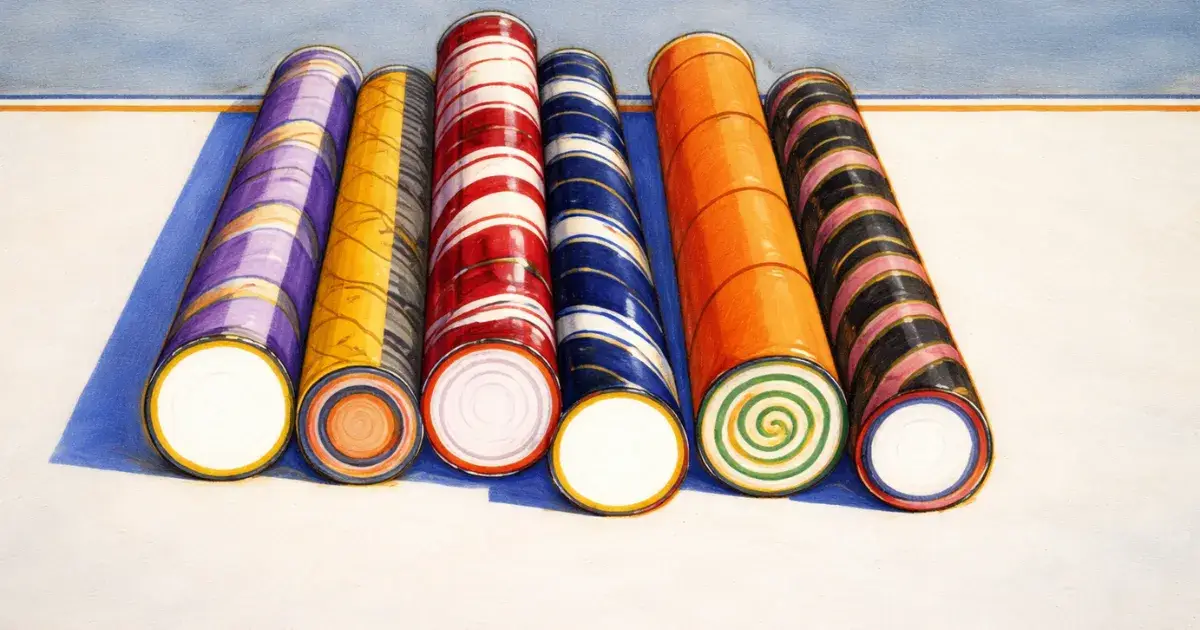
One reason people remember Thiebaud is the physical feeling of his paintings. He used thick paint, sharp contours, and color choices that don’t behave like normal realism. Shadows might be blue or purple, highlights might glow, and edges can look cut-out clean. The effect is both believable and dreamlike, which is hard to pull off.
Bold Shadows and Unusual Color Logic
His shadows often pop with color instead of simply darkening the object. That choice creates visual energy and makes the subject feel lit like a display window. It’s a smart trick: color shadows can separate objects from the background while keeping the overall scene bright. The result is a painting that looks sunny, even when it’s quiet.
Texture That Feels Like the Subject
Thick paint is not just a style choice in his work; it supports the theme. When you paint frosting with heavy brushwork, the paint itself becomes part of the illusion. It’s as if the medium is helping you “taste” the image with your eyes. That tactile quality turns a simple cupcake into a moment you can almost feel.
Composition Built Like a Designer
Thiebaud’s arrangements often feel measured, balanced, and intentional, like a product display that has been perfected. He places objects so the viewer’s eye moves smoothly across the scene. Spacing, repetition, and scale create calm order. That design-minded structure is a big reason his paintings look clean, memorable, and strangely satisfying to look at.
Pop Art Connections and What Made Him Different
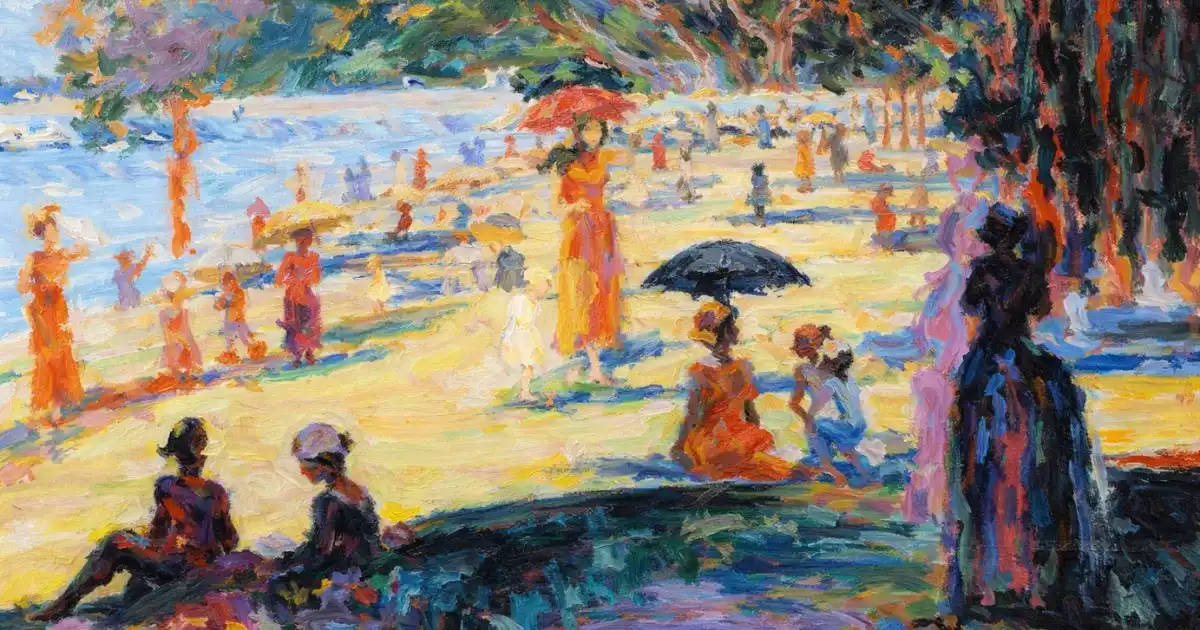
People often connect Thiebaud with Pop Art because he painted consumer objects and everyday culture. But his relationship to that label is more complicated. He shared some interests with Pop artists, yet his priorities leaned toward painting traditions, observation, and the slow craft of building an image with light and color.
Similar Subjects, Different Intent
Pop Art often highlights mass media, branding, and cultural critique. Thiebaud’s work can include those echoes, but his tone is usually more tender than sharp. He seems interested in how things look and how they make people feel, rather than making a loud statement about advertising. The paintings invite attention, not arguments.
A Painter’s Painter, Not Just a Trend
While some movements chase shock or novelty, he stayed committed to the act of painting itself. Brushwork, value shifts, and the problem of edges mattered deeply to him. That focus kept his work from feeling like a moment that passed. Even when styles changed around him, his paintings still felt anchored and human.
Mid-Article Quick Takeaways (What Defines W Thiebaud’s Work):
- Everyday subjects treated with museum-level seriousness
- Thick paint that adds physical, “edible” texture
- Bright palettes with colorful, unexpected shadows
- Clean compositions influenced by commercial display
- A warm, nostalgic mood with a hint of distance
- Strong drawing skills underneath the sweetness
- A balance of Pop-era subjects and classic painting craft
Landscapes, City Streets, and the Other Side of His Art
If you only know Thiebaud for desserts, you’re missing a major part of his story. He also painted landscapes and dramatic city streets, often with steep angles and heightened color. These works prove his range and show that his deeper interest wasn’t “food,” but perception: how we see, organize, and emotionally read the world.
Hills, Rivers, and Light That Feels Invented
His landscapes can look natural at first, but they often carry bold color decisions and simplified shapes. He wasn’t copying a photograph; he was building a visual experience. The land becomes a structure of planes and tones, and the color becomes a kind of atmosphere. The result feels both familiar and slightly heightened.
The Famous Steep Streets and City Geometry
His city scenes, especially streets that tilt dramatically, turn urban space into almost a visual puzzle. Sharp perspective creates tension, while color keeps it playful. You feel the slope in your body just by looking. These works show how he could transform the “ordinary” into something stylized, intense, and oddly elegant.
Legacy, Influence, and Why His Paintings Still Matter
Thiebaud’s legacy lasts because his work meets people where they are. You don’t need a degree to connect with a cake painting, but if you look closer, you’ll find real complexity. That combination makes the work accessible without being shallow, and it’s a big reason collectors, museums, and everyday viewers continue to celebrate him.
A Style That Inspired Modern Realism
Many contemporary painters learned from his color, his edges, and his confidence in simple subjects. He proved that you could paint a familiar object without irony and still make it feel powerful. That lesson matters today, especially in a world where images are everywhere and attention is rare.
Timeless Themes in a Simple Package
Under the bright surfaces, his paintings carry themes like desire, repetition, abundance, memory, and distance. A perfect slice of cake can symbolize comfort, but also longing. A row of objects can suggest plenty, but also sameness. His genius was letting those meanings exist without forcing them, so viewers discover them naturally.
Key Points Table
| Key Point | What It Means | Why It Matters |
| Everyday subjects | Cakes, counters, machines, streets | Makes art feel accessible and personal |
| Thick paint texture | Heavy, tactile brushwork | Turns images into physical experiences |
| Colorful shadows | Non-traditional shadow color | Creates energy and a signature look |
| Design-like compositions | Clean spacing and repetition | Makes paintings instantly readable |
| More than desserts | Landscapes and city scenes too | Shows range and deeper visual goals |
| Lasting influence | Inspires painters and audiences | Keeps his style relevant across decades |
Conclusion
W Thiebaud’s biography is a reminder that greatness doesn’t always come from grand subjects. He made a slice of cake carry the presence of a portrait and made a street corner feel as dramatic as a stage set. By treating everyday life with respect and precision, he proved that attention itself can be an artistic superpower.
His work lasts because it balances joy with discipline. The colors make you smile, but the structure makes you stay. Whether you love art history or just love images that feel alive, Thiebaud’s paintings offer something rare: beauty that feels familiar, and familiarity that suddenly feels legendary.
FAQs
Who was W Thiebaud?
W Thiebaud was an American painter known for turning everyday objects and scenes into iconic, highly crafted paintings with bold color and thick paint texture.
Why did W Thiebaud paint cakes and pies?
He used familiar objects to explore light, color, arrangement, and emotion, showing how ordinary things can feel meaningful when carefully observed.
Is W Thiebaud considered a Pop Art artist?
He’s often associated with Pop Art due to his subjects, but his approach is more rooted in painting craft and observation than in media critique.
What makes his painting style instantly recognizable?
Thick, textured paint, clean edges, bright palettes, and colorful shadows combine with carefully designed compositions that feel like real displays.
Did W Thiebaud only paint food?
No. Along with desserts and everyday objects, he also painted landscapes and dramatic city streets that highlight perspective, geometry, and color.

My Name is George
I am a creative content writer who specializes in crafting Unique and engaging captions for all Social media platforms. I focus on originality and trends to Create Captions that boost engagement and make every post stand out.
Thanks For Visiting My Blog 😇